
Climate Change & Global Impact
BLOGS
7/7/20262 min read
Introduction
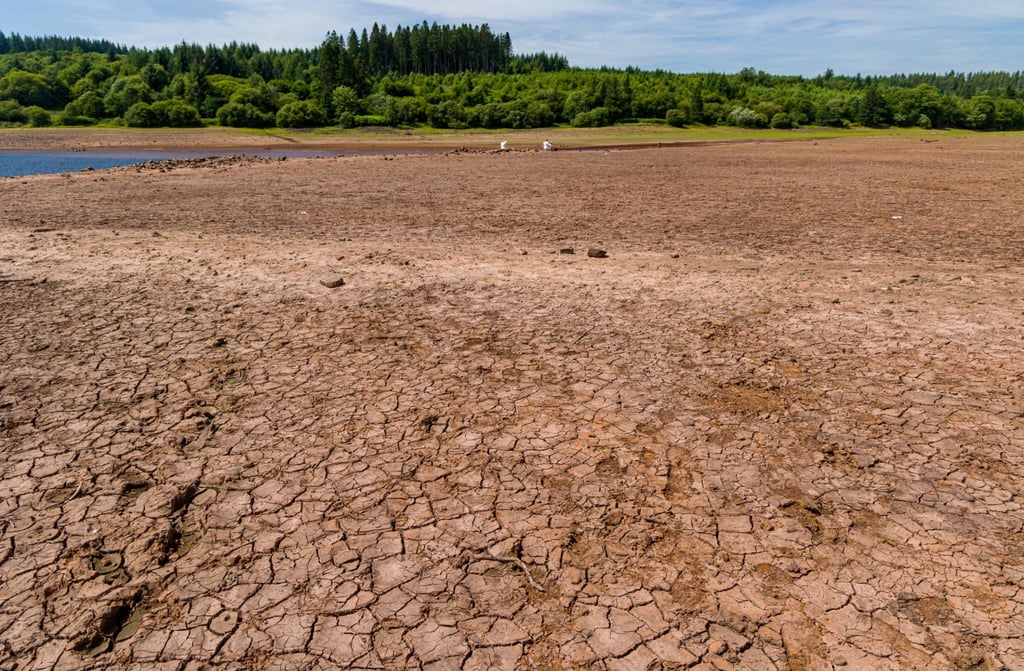
It is no longer a projection for the distant future: Europe is officially the fastest-warming continent on the planet. According to the latest data from the Copernicus Climate Change Service and the World Meteorological Organization (WMO), temperatures across Europe have been rising at more than double the global average rate over recent decades.
From the scorched plains of Spain to unprecedented heat thresholds broken deep within the Arctic Circle, the continent is facing a structural climate shift. But why is Europe warming so quickly, and what does this mean for global infrastructure, tech systems, and businesses?
1. The Science: Why Europe Bears the Brunt
While climate change is a global phenomenon, Europe’s geographic position accelerates its vulnerability.
The Arctic Amplification: Europe sits directly adjacent to the Arctic, which is the absolute fastest-warming zone on Earth. As Arctic sea ice melts, it reflects less sunlight, trapping massive amounts of thermal energy that directly flows south into Europe.
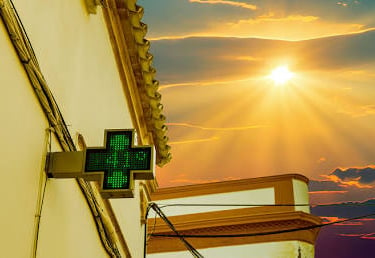
Altered Jet Streams: Warming atmospheric currents have destabilized the jet streams, frequently locking heavy "Heat Domes" over Western and Central Europe, resulting in prolonged, unseasonal heatwaves exceeding 40°C (104°F) even in historically temperate nations like Germany and the UK.
2. Infrastructure Under Siege: A Digital and Physical Strain
Unlike tropical regions, Europe's cities, transit lines, and networks were engineered to trap heat for winter, not repel it for summer.
The Grid Overload: Rising urban temperatures have led to an exponential spike in air conditioning demands, pushing regional power grids to the brink of blackouts.
Data Centers & IoT Vulnarability: Cloud storage facilities and internet infrastructure across Europe are confronting localized thermal shutdowns. Modern data centers require immense cooling capacities; when river levels drop and outdoor air turns blistering, maintaining operational servers becomes a high-cost logistical nightmare.
3. The Urban Heat Island Effect in Historic Capitals
Metropolitan giants like Paris, London, and Rome are grappling with the "Urban Heat Island" effect. Heavy asphalt, concrete infrastructure, and limited metropolitan green covers mean these historic hubs retain heat long into the night. Air temperatures in central streets can register up to 3°C to 5°C higher than surrounding rural areas, dramatically reducing labor productivity and impacting public health.
4. The Green Transition: Sourcing Sustainable Tech Solutions
As European nations legally commit to slashing emissions by 55% by 2030, the demand for adaptive green tech, eco-friendly architecture, passive cooling software, and solar smart grids has reached an all-time high. European enterprises are aggressively looking outward to secure cost-effective tech support and operational development to build these climate-resilient frameworks.

© 2026. All rights reserved.
Contacts:
info@karobardirectory.com