
PAKISTAN UNDISPUTED GLOBAL CAPITAL OF FOOTBALL
Did you know 70% of the world’s footballs are made in one city? Discover how Sialkot, Pakistan became the undisputed global capital of football manufacturing.
7/7/20262 min read
How a City in Pakistan Became the Undisputed Capital of Football
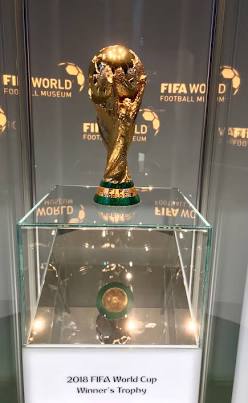
It is one of the most fascinating paradoxes in modern sports history: Pakistan’s national football team has never qualified for a FIFA World Cup, yet the world's biggest tournament literally cannot kick off without them.
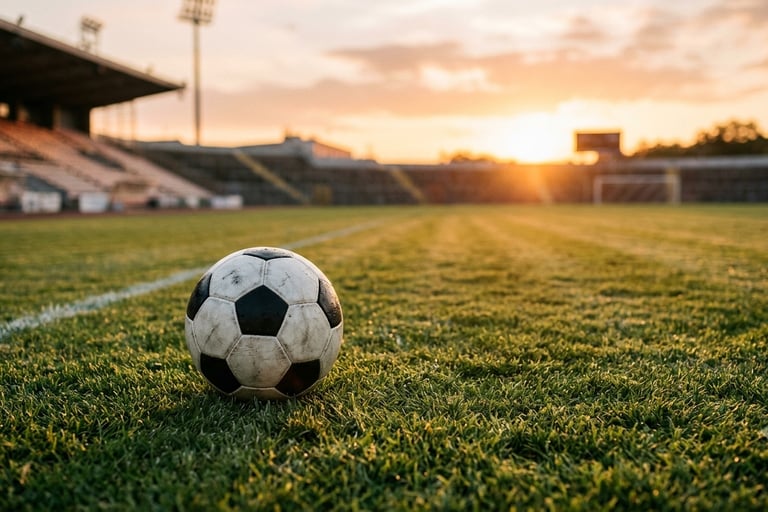
When the world’s elite athletes take the pitch, the true heartbeat of the game isn't in London, Madrid, or Rio de Janeiro. It is in Sialkot, an industrial city in the Punjab province of Pakistan that manufactures roughly 70% of the world's footballs.
From local Sunday leagues to the grandest stadiums on earth, here is the story of how a single city became the undisputed global capital of football manufacturing.
The Sialkot Empire by the Numbers
To understand Sialkot’s absolute dominance in the global sports gear market, you only have to look at the sheer scale of its production infrastructure:
70% Global Market Share: Seven out of every ten high-quality footballs on the planet originate from this single city.
40 to 65 Million Units Annually: Sialkot’s factories produce tens of millions of footballs every year to meet relentless global demand.
A Massive Workforce: The industry acts as the economic backbone of the region, directly employing over 60,000 skilled artisans—roughly 8% of the city's total populationFrom a Broken Racket to a Billion-Dollar Industry
The origins of this industrial juggernaut trace back to 1889, during the British colonial era. A British military sergeant stationed near Sialkot punctured his football during a match and took it to a local saddle-maker and cobbler for repairs.
The artisan didn't just patch the leak; he completely reverse-engineered the ball's design. Sensing a lucrative business opportunity, local leatherworkers began replicating the British equipment. What started as a modest colonial repair shop evolved over the next century into a highly specialized, world-leading manufacturing cluster.
Sialkot's Tech Evolution: From Hand-Stitching to AI-Powered Balls
For decades, Sialkot was famous strictly for its flawless hand-stitched balls. A regulation football consists of 20 hexagons and 12 pentagons bound by exactly 690 manual stitches. Professional players have long preferred hand-sewn balls because they are incredibly durable, hold their aerodynamic shape, and absorb less moisture than basic machine-milled alternatives.
However, when FIFA shifted its tournament requirements toward high-tech thermo-bonded balls—where panels are fused using heat and specialized adhesives rather than thread—many thought Sialkot would lose its crown to fully automated factories in East Asia.
Instead, Sialkot’s premier manufacturers, like Forward Sports (Adidas's largest hardware supplier), aggressively retrofitted their facilities. Local engineers quickly mastered automated lamination, micro-texturing, and complex panel-cutting technology.
© 2025. All rights reserved.
Contacts:
info@karobardirectory.com