
WHY STOCK MARKET DOWN TO DAY
Global markets face sudden turbulence today as escalating US-Iran conflict and a breakdown in the temporary truce send a wave of volatility through global equities and energy sectors.
BLOGS
7/9/20261 min read
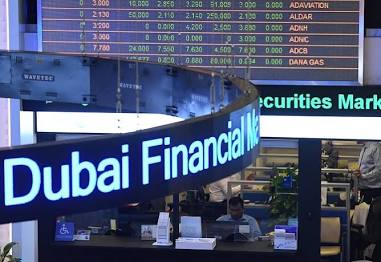
My post The short-lived diplomatic breathing room between Washington and Tehran has shattered. Following fresh maritime strikes on commercial vessels in the Strait of Hormuz, the fragile US-Iran ceasefire has officially collapsed, triggering a violent wave of volatility across global equities and energy sectors.
For weeks, global financial markets had aggressively priced in a "de-escalation premium." Brent crude had cooled significantly from its earlier multi-year peak of $116 per barrel down to the high $70s as an interim peace framework looked plausible. Today's sudden escalation proves that the pause was merely an interval, not a settlement. Investors are now forced to rapidly re-price geopolitical risk back into their portfolios.
The Energy Shock: Oil Volatility Flares 18%
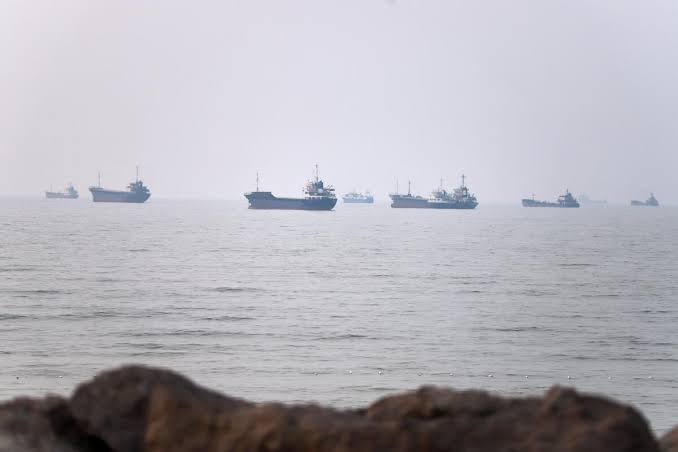
The immediate epicentre of today’s market turbulence is the Strait of Hormuz—the world’s most critical energy chokepoint. With several merchant vessels reportedly struck alongside retaliatory targeted hits, the UN maritime agency (IMO) has issued a high-level energy security alert.
Before the escalation, shipping volumes had briefly begun to normalize under last month’s temporary memorandum of understanding. Today, thousands of seafarers remain stranded as shipping lines halt transit. This supply friction has driven oil option volatility up by 18%, pushing crude prices to a sharp three-week high.
The Structural Vulnerability: Global strategic petroleum reserves are currently sitting at their lowest levels in decades. Because governments have thin emergency cushions left to deploy, any prolonged obstruction in the Gulf will translate directly into sustained upward pressure on global fuel prices.
Global Equities Face a Aggressive Risk-Off Reversal
The sudden shift in energy security sent immediate shockwaves through equity markets. Major indices felt the pinch early in the session, with the UK's FTSE 100 sliding 1.7% as traders moved away from cyclical assets and consumer-facing stocks.Interestingly, the market behavior during this leg of the conflict shows highly fragmented sector performance rather than a uniform crash. Capital is actively rotating based on exposure to fuel inputs and defense requirements.content
© 2025. All rights reserved.
Contacts:
info@karobardirectory.com