
Use Of AI Customer Service In Saudia Arabia
BLOGS
7/18/20262 min read
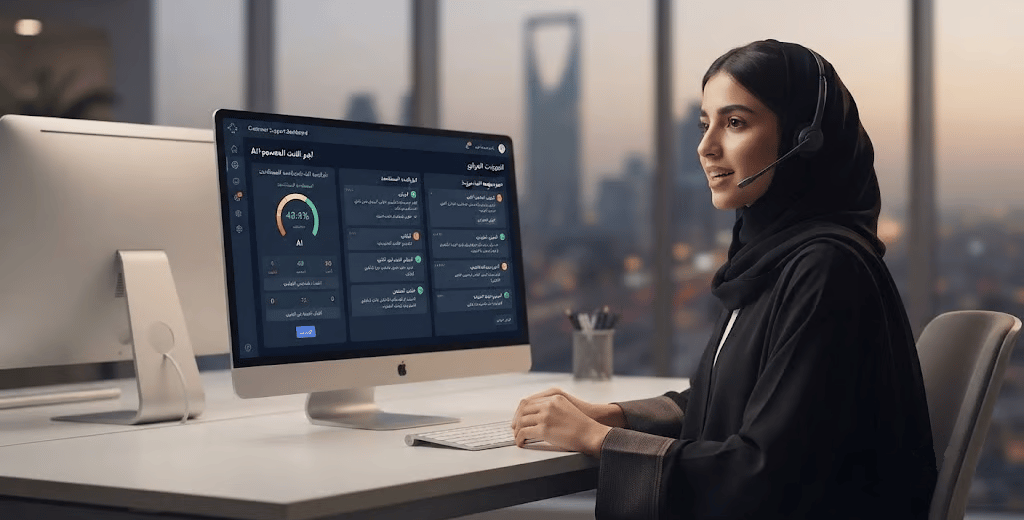

The Future of Service: How AI is Transforming Customer Engagement in Saudi Arabia
In the rapidly evolving digital landscape of Saudi Arabia, customer expectations are shifting at an unprecedented pace. As the Kingdom pushes toward its Vision 2030 goals, businesses across sectors—from retail and banking to government and healthcare—are turning to Artificial Intelligence (AI) to bridge the gap between legacy service models and modern consumer demands.
Why AI is a Necessity, Not a Luxury
Saudi consumers increasingly prioritize speed, convenience, and personalization. Traditional customer service systems often struggle to keep up with these expectations, leading to long wait times and inconsistent experiences. AI-driven solutions are changing this by offering:
24/7 Availability: AI chatbots and virtual assistants provide round-the-clock support, ensuring customers receive help whenever they need it, regardless of the time of day.
Instant Resolutions: By automating responses to routine inquiries—such as order status updates, policy questions, or appointment scheduling—businesses can significantly reduce resolution times.
Scalability During Peak Seasons: During high-traffic periods like Ramadan or National Day sales, AI systems handle massive surges in inquiries without the need to proportionally increase headcount.
The "Arabic-First" Imperative
A common pitfall for businesses in the Kingdom is relying on generic, English-centric AI models. To be truly effective, AI in Saudi Arabia must master:
Advanced Arabic NLP: Systems must go beyond formal Arabic to understand diverse Saudi dialects and the common tendency of users to mix Arabic and English (Arabizi) in a single message.
Cultural Nuance: AI agents should be trained to reflect local communication norms, ensuring interactions feel respectful, empathetic, and relevant to the local market.
Integration with Local Channels: Since WhatsApp is a primary communication tool in the Kingdom, robust AI integration within this platform is essential for immediate, accessible customer engagement.
Measurable Business Impacts
AI is moving beyond the "experimental" phase in Saudi organizations, delivering clear, data-backed results:
Increased Efficiency: Organizations embedding AI into their customer-facing workflows report a 30% to 40% reduction in average response times.
Empowered Human Agents: By offloading repetitive, low-value tasks to AI, human agents are freed to focus on complex, high-value interactions that require empathy and nuanced judgment.
Data-Driven Insights: AI tools analyze vast amounts of interaction data in real-time, helping companies identify recurring pain points and predict customer needs before they escalate.
Best Practices for Implementation
For Saudi businesses looking to integrate AI successfully, the strategy should prioritize these pillars:
Start with Clear Objectives: Define what you want to achieve (e.g., lower wait times vs. higher resolution rates) and choose platforms that offer robust analytics to track these KPIs.
Human-in-the-Loop: Ensure your system has a "graceful handoff" capability. Nothing frustrates a customer more than being trapped in a bot loop when they need human intervention.
Security and Compliance: Given the strict focus on data privacy in Saudi Arabia, ensure that all AI solutions comply with local data protection regulations, prioritizing end-to-end encryption.

© 2025. All rights reserved.
Contacts:
info@karobardirectory.com